Finding What Works
Scaling & Growth
Building the Business
These books changed how businesses grow.
The best minds in business already figured out what works. Sandbox turns their frameworks into action.
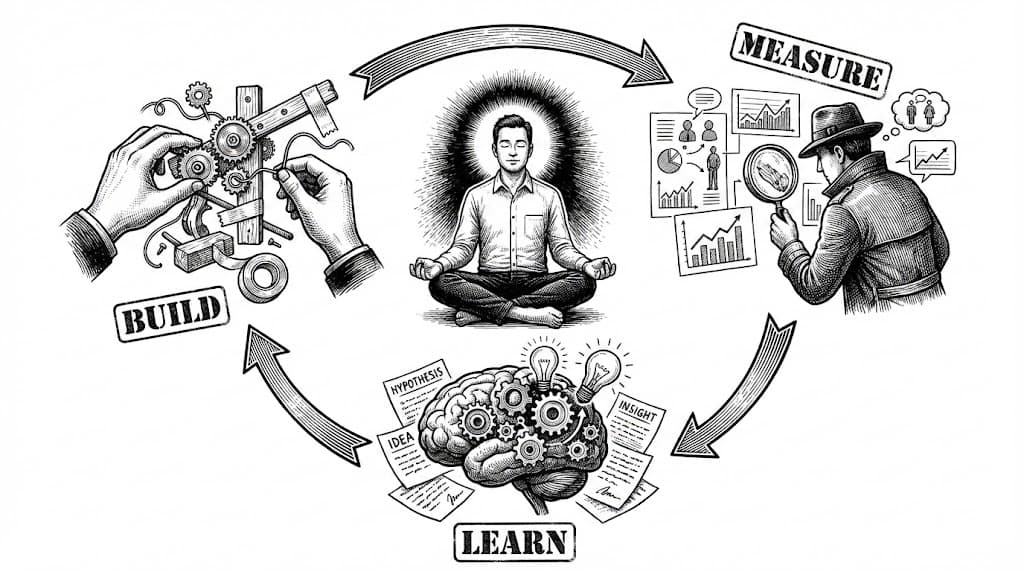
The Lean Startup
by Eric Ries
Build-Measure-Learn
Stop building what nobody wants. Ship the smallest thing that tests your riskiest assumption, measure what happens, and learn whether to pivot or persevere. Speed of iteration beats quality of planning.
Design an MVP experiment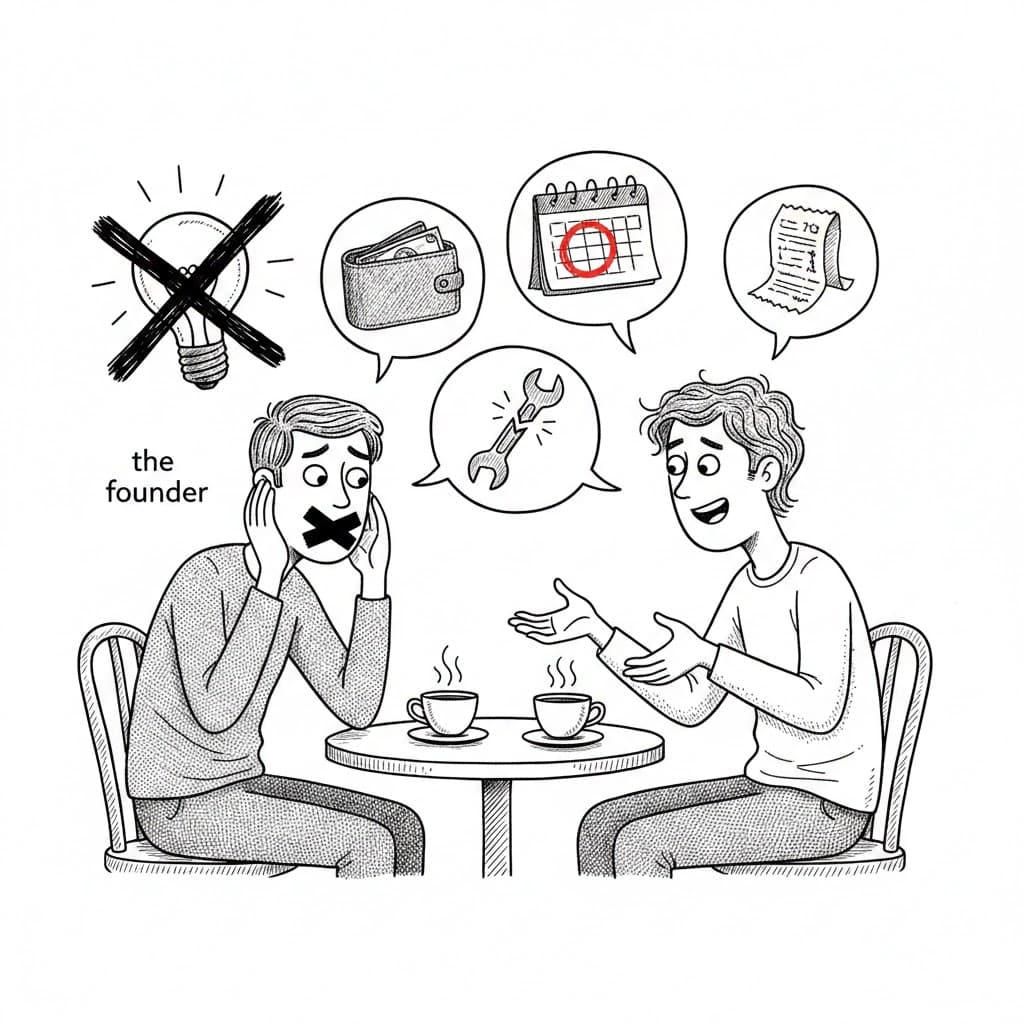
The Mom Test
by Rob Fitzpatrick
Talk about their life, not your idea
Stop asking people if your idea is good — they'll lie to be nice. Instead, ask about their actual behavior, past spending, and real problems. The truth is in what they do, not what they say they'd do.
Write interview questions
Crossing the Chasm
by Geoffrey Moore
Dominate a niche before expanding
Most startups die in the gap between early adopters and the mainstream. The fix: pick one tiny beachhead segment, become the undisputed leader there, then expand outward. Trying to serve everyone serves no one.
Find my beachhead segment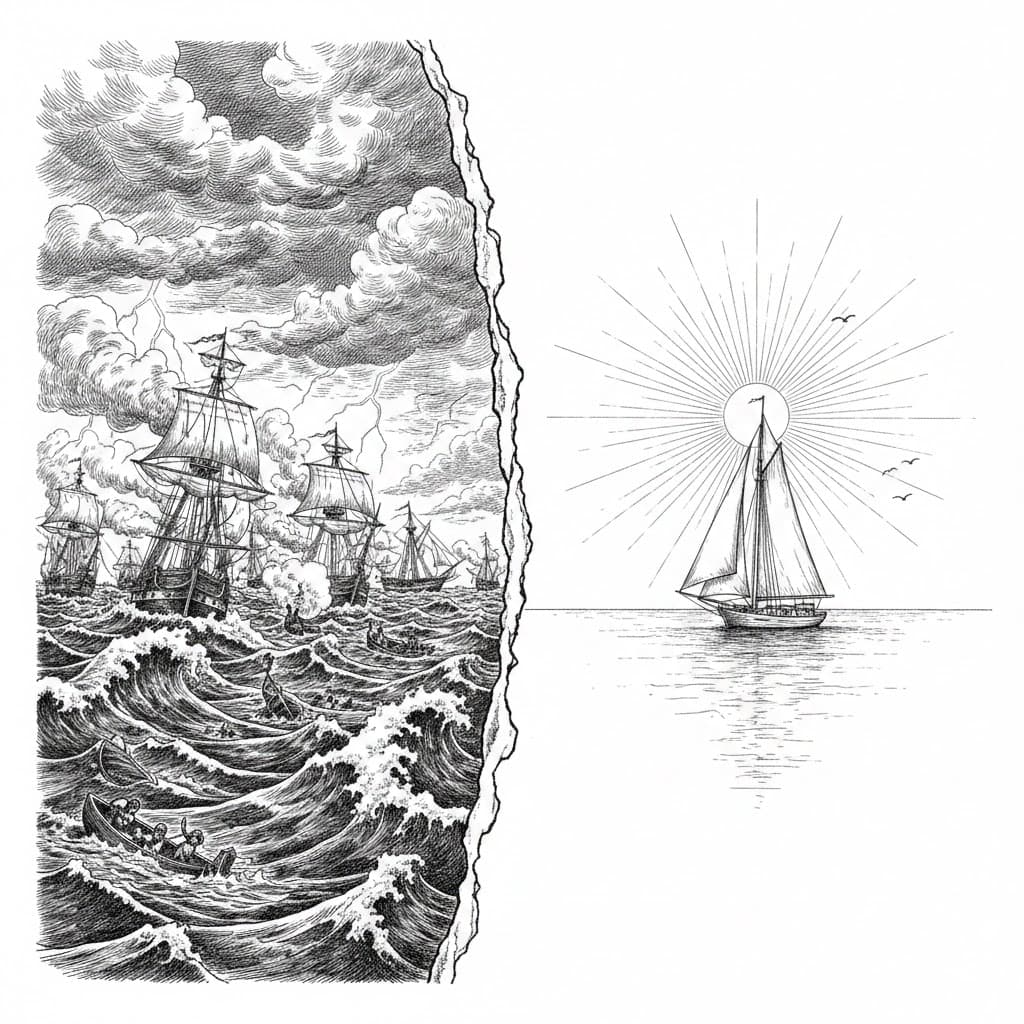
Blue Ocean Strategy
by W. Chan Kim & Renée Mauborgne
Create uncontested market space
Stop competing on the same dimensions as everyone else. Eliminate, reduce, raise, and create different factors of value to make the competition irrelevant. The best markets are the ones you invent.
Run an ERRC analysis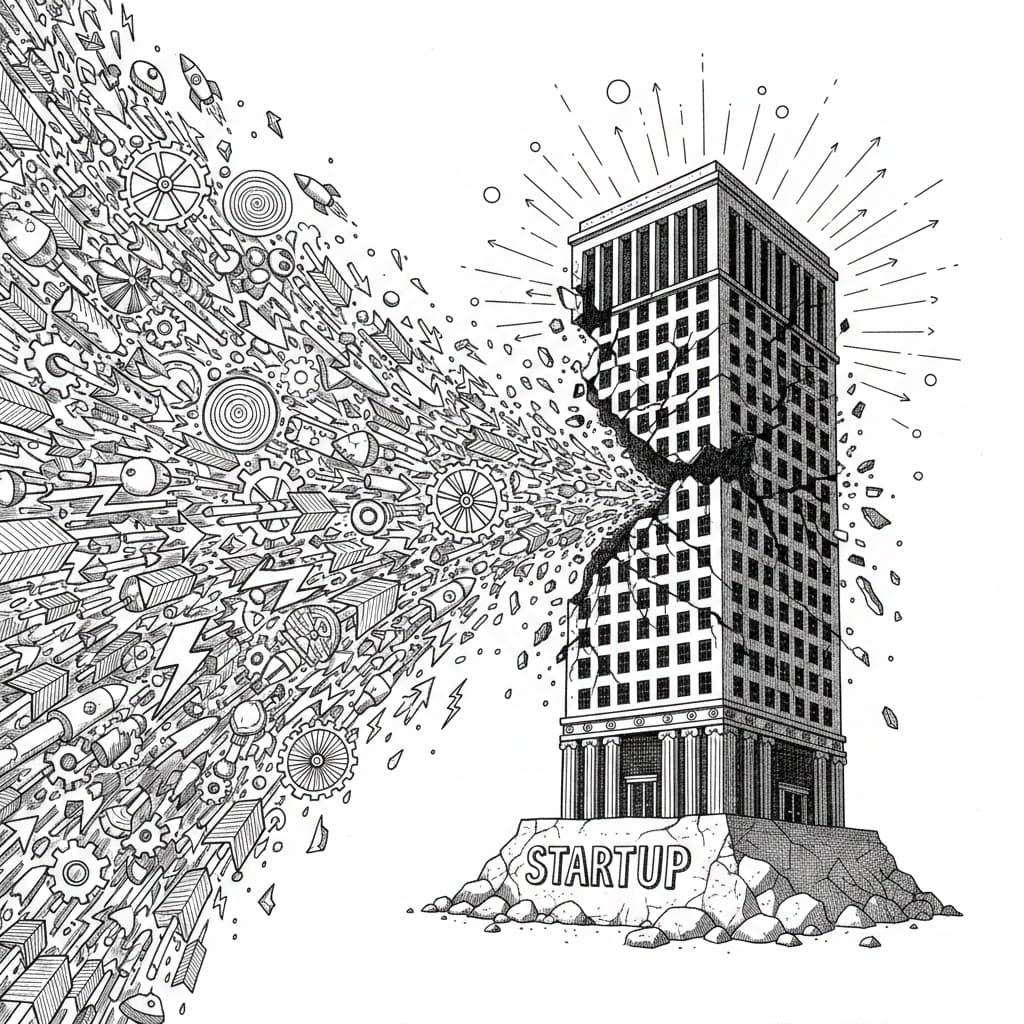
Blitzscaling
by Reid Hoffman
Prioritize speed over efficiency
When the market is winner-take-all, the company that scales fastest wins — even if it's messy. Accept chaos, hire ahead of need, and fix things on the fly. Efficiency is for later.
Build a scaling roadmap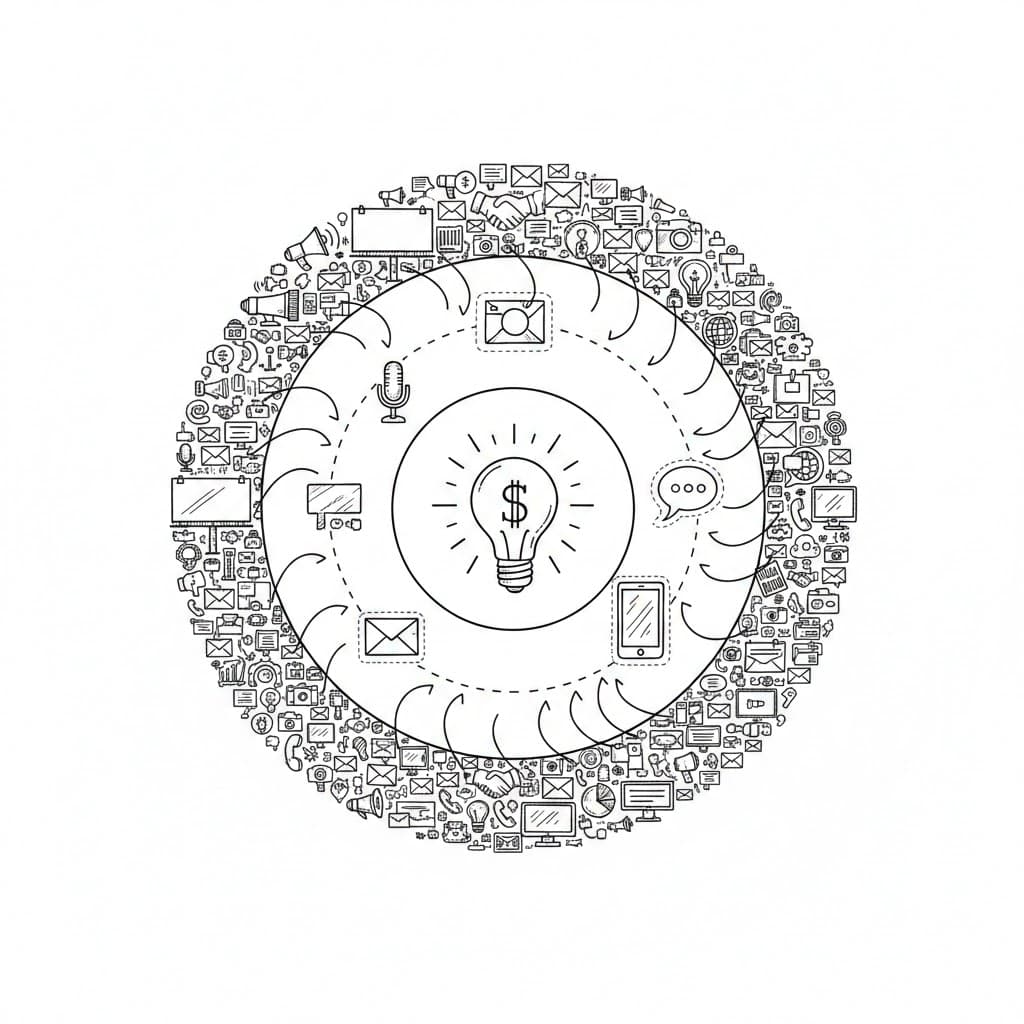
Traction
by Gabriel Weinberg & Justin Mares
The Bullseye Framework
There are 19 channels to acquire customers. Most founders only try 2-3. Test the outer ring broadly, find your best channel, then double down. Traction trumps everything — even product.
Run the Bullseye Framework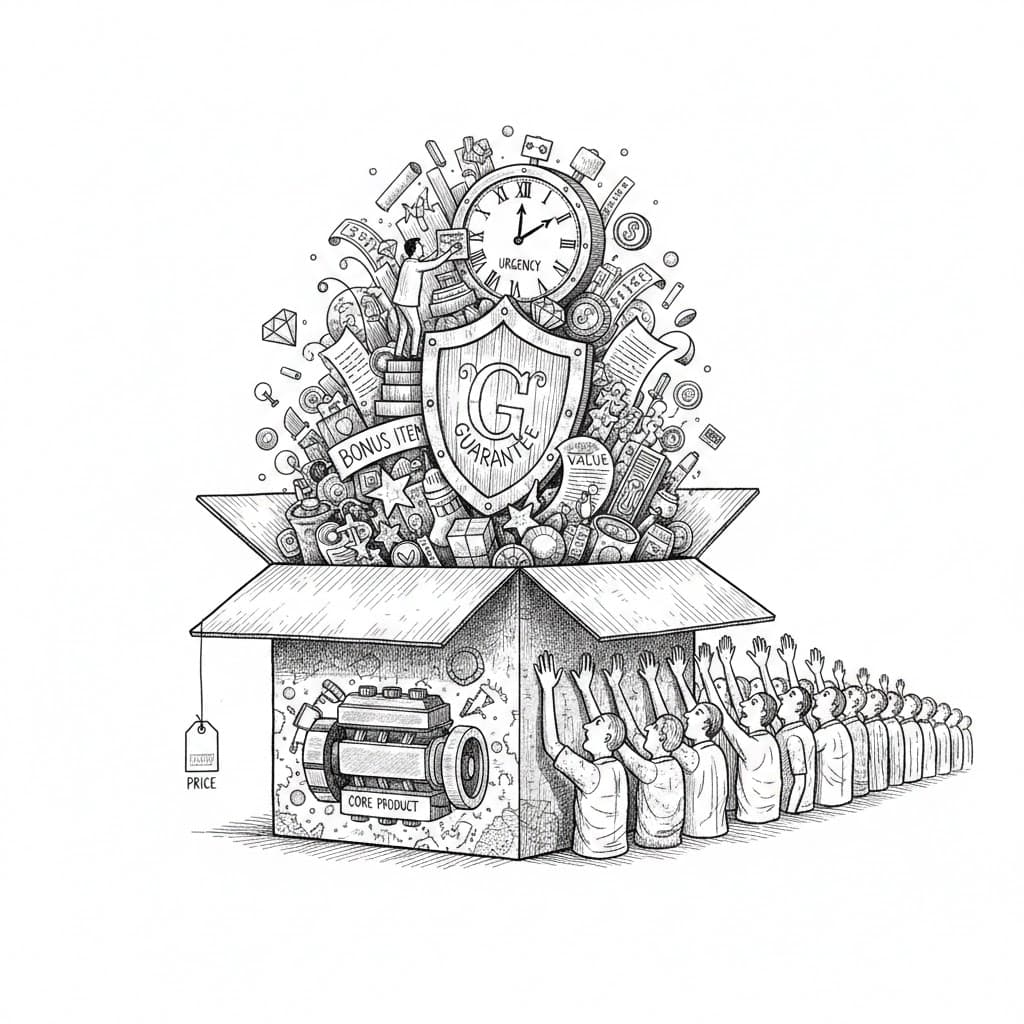
$100M Offers
by Alex Hormozi
Make offers so good people feel stupid saying no
Price on value, not cost. Stack bonuses, add guarantees, create urgency, and bundle outcomes people actually want. A Grand Slam Offer does more for growth than any amount of ad spend.
Build a Grand Slam Offer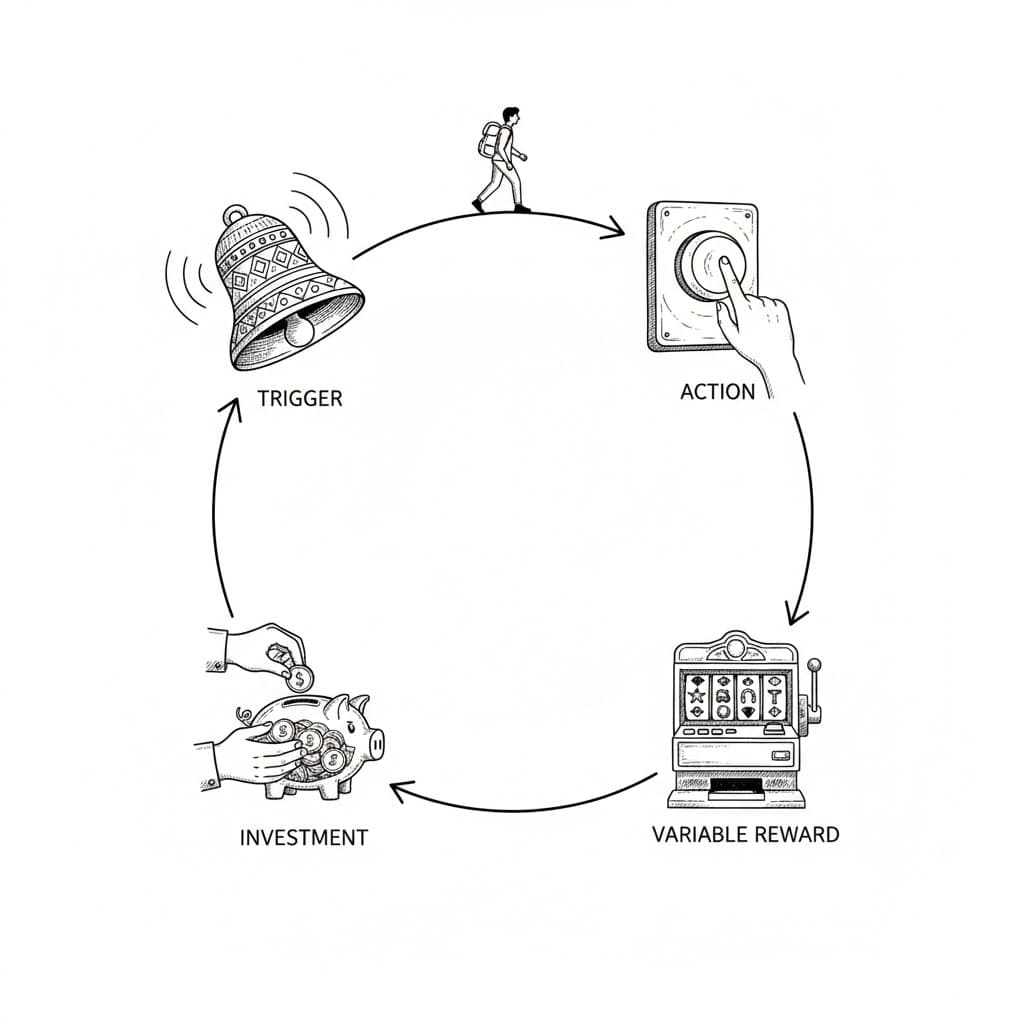
Hooked
by Nir Eyal
Trigger → Action → Variable Reward → Investment
The most successful products create habits, not just satisfaction. Design a loop: trigger the user, make the action effortless, deliver a variable reward, then get them to invest something that makes the next loop more likely.
Design a habit loop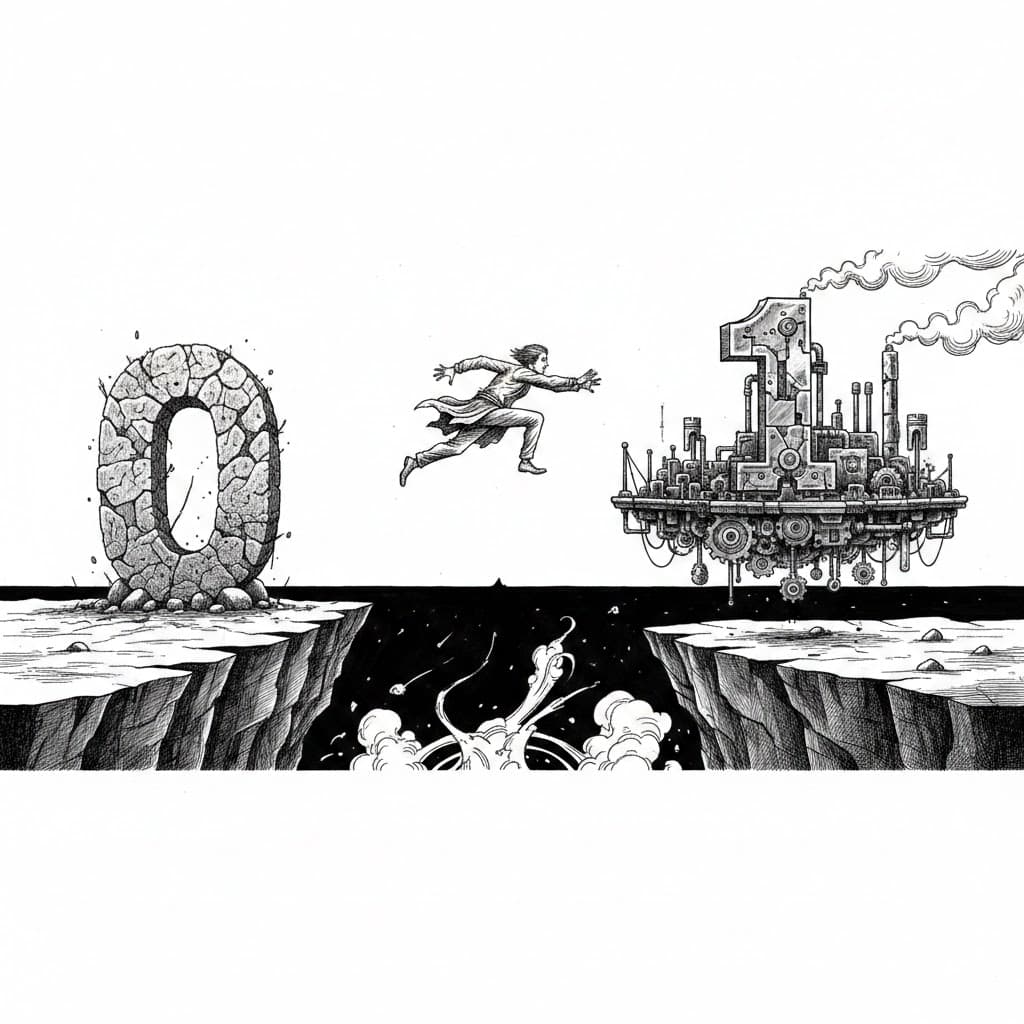
Zero to One
by Peter Thiel
Build a monopoly, not a commodity
Competition is for losers. The best businesses create something entirely new — going from zero to one. Find a secret nobody else sees, start small, monopolize a tiny market, and expand from a position of strength.
Find my monopoly secret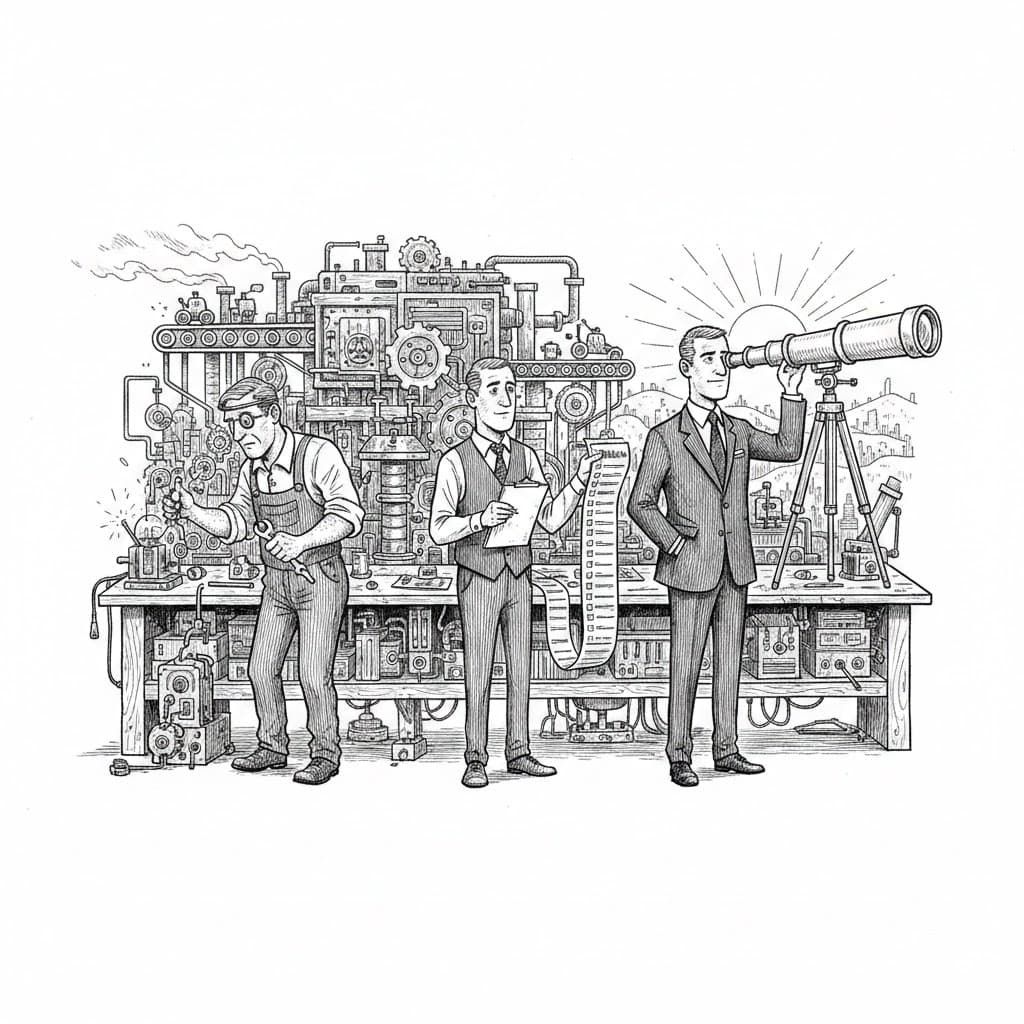
The E-Myth Revisited
by Michael Gerber
Work on the business, not in it
Most businesses fail because the founder is a technician, not an entrepreneur. Build systems that run without you. Document every process. The goal is a business that works, not a job you own.
Systemize my operations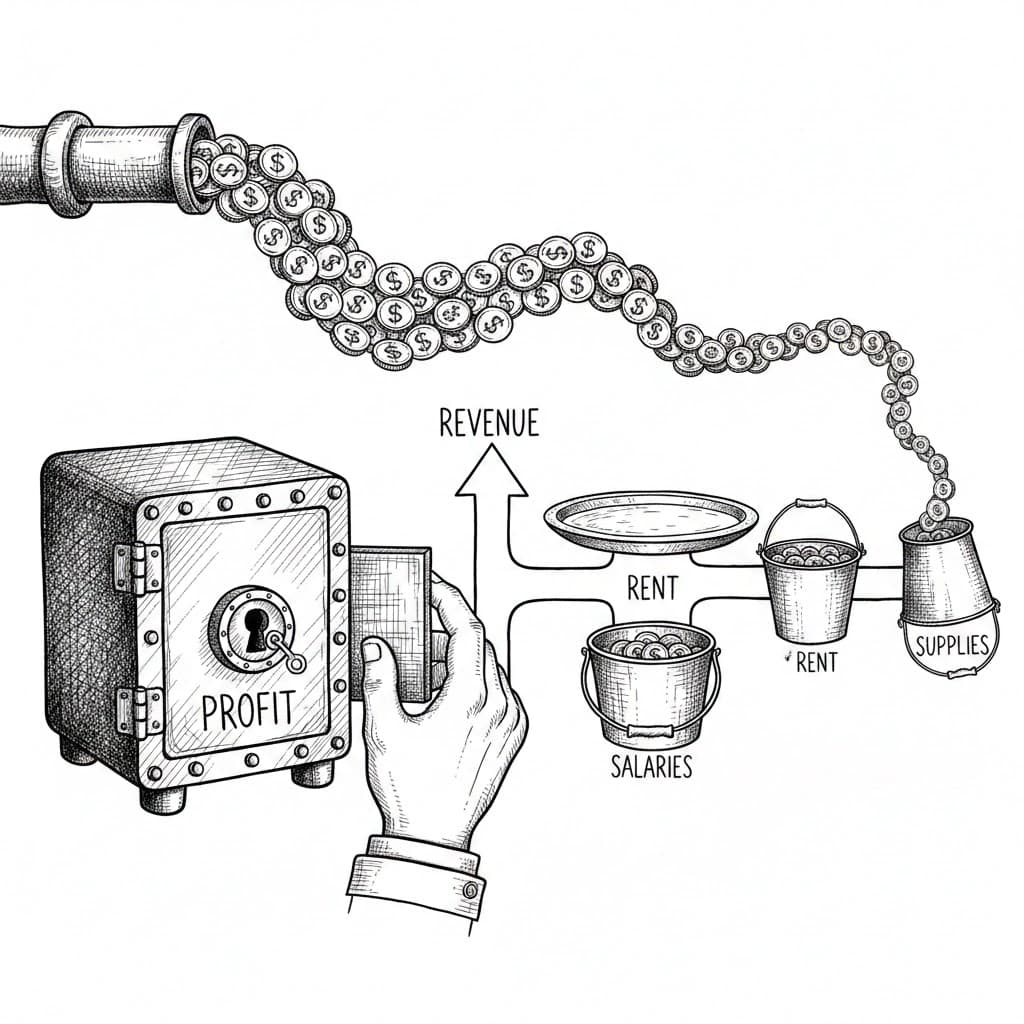
Profit First
by Mike Michalowicz
Revenue − Profit = Expenses
Flip the formula. Take your profit first, then figure out how to run the business on what's left. Small plates force small portions. Constraint breeds resourcefulness and guarantees you actually keep money.
Set up profit allocations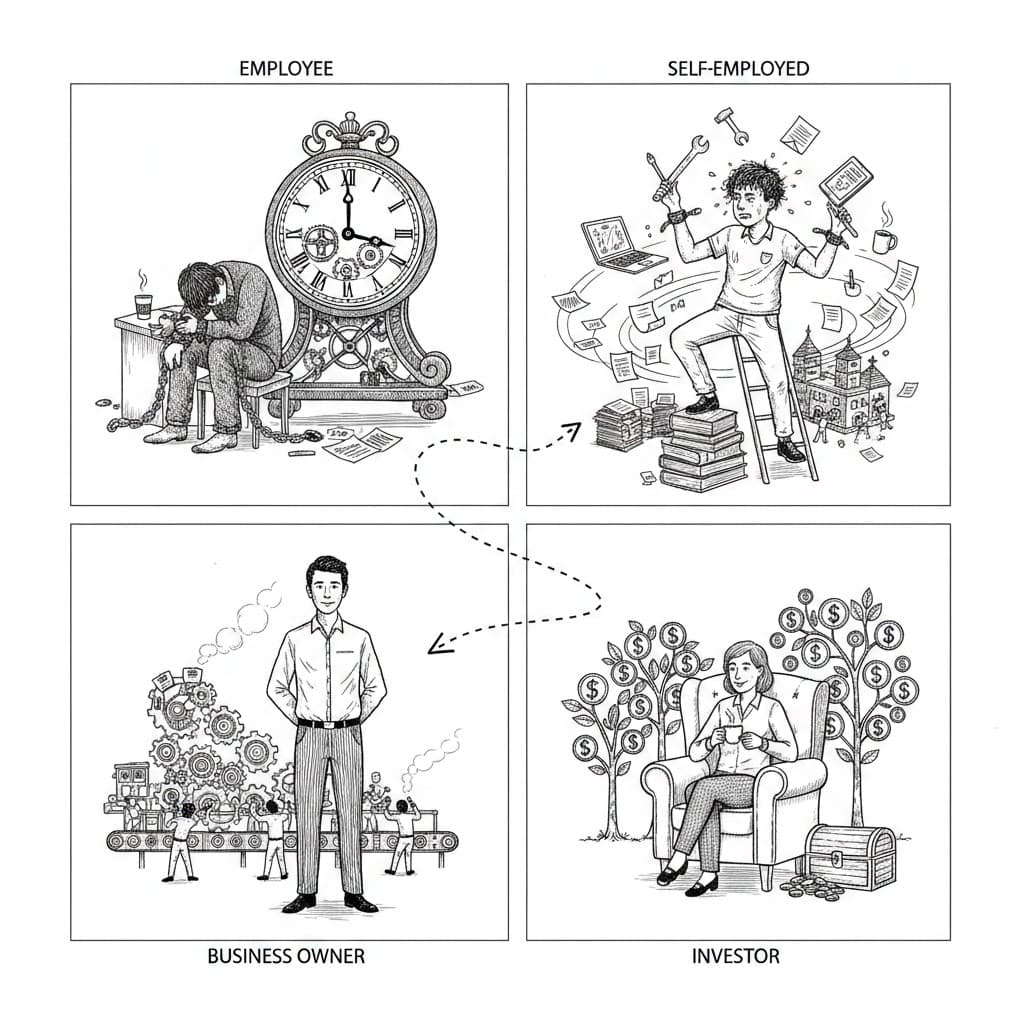
Cashflow Quadrant
by Robert Kiyosaki
Move from E/S to B/I
There are four ways to earn: Employee, Self-Employed, Business Owner, Investor. Most people are stuck in E or S, trading time for money. The goal is B — a system that generates income without your daily presence.
Map my quadrant move
Good to Great
by Jim Collins
The Flywheel Effect
Greatness isn't a single moment — it's a flywheel. Each push builds momentum on the last. Find your Hedgehog Concept (what you're best at × what drives your economics × what you're passionate about) and push relentlessly.
Find my Hedgehog Concept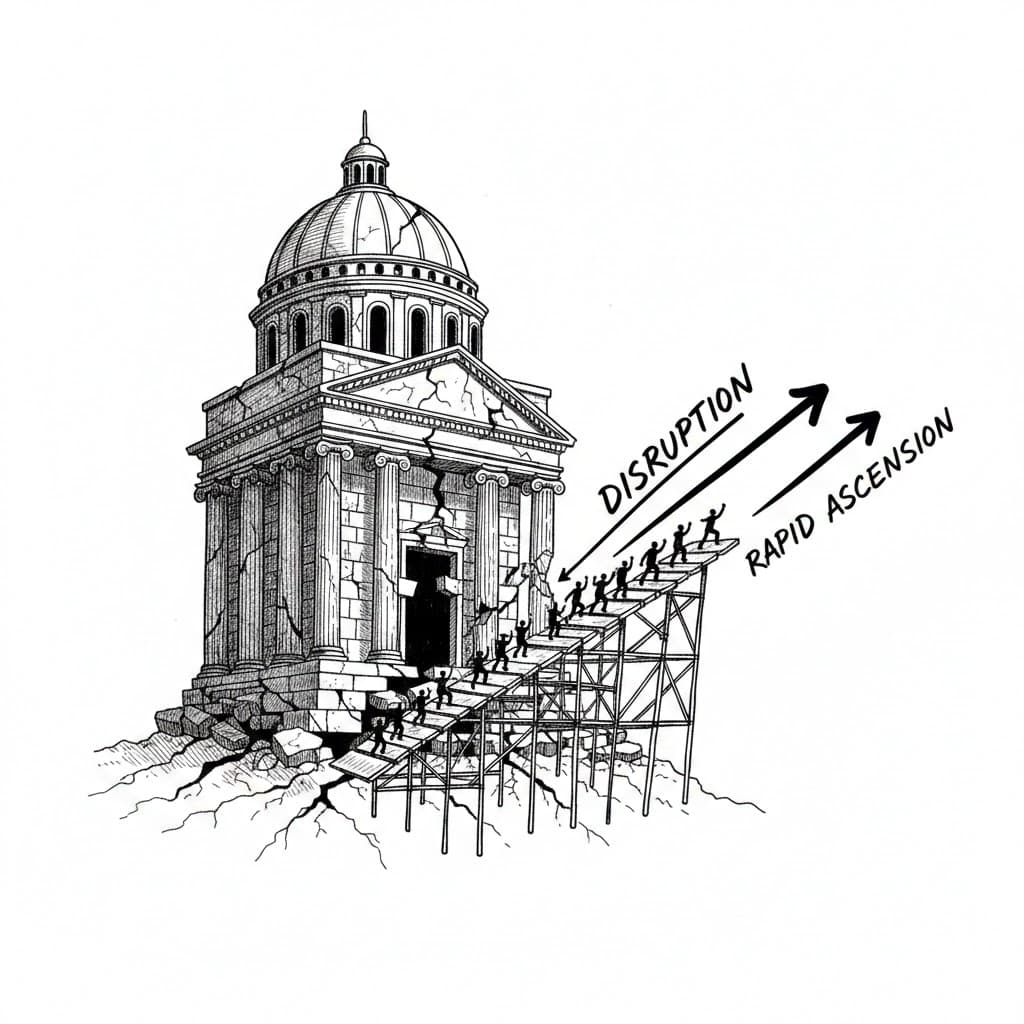
The Innovator's Dilemma
by Clayton Christensen
Disruption comes from below
The biggest companies get killed by worse products that are cheaper, simpler, or more convenient. They can't respond because serving their best customers rationally prevents them from pursuing the disruption.
Spot disruption opportunities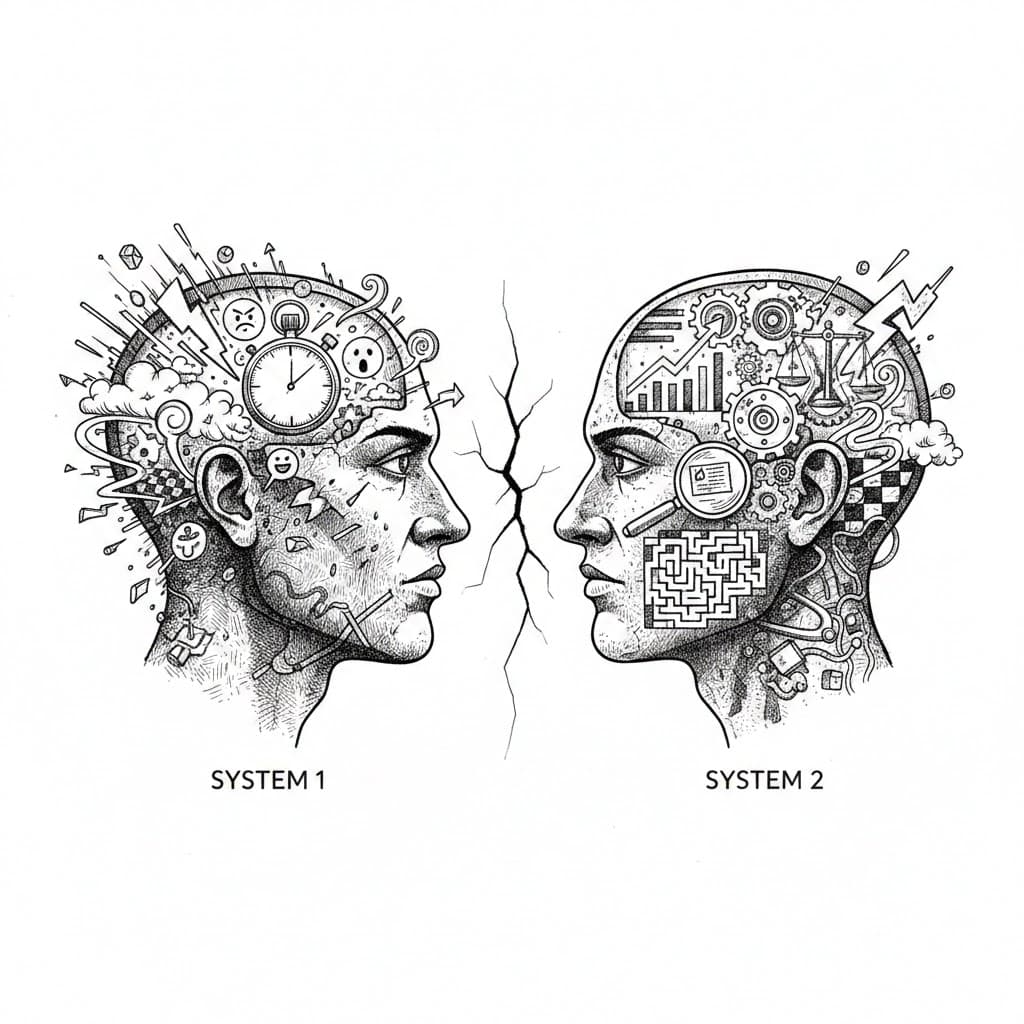
Thinking, Fast and Slow
by Daniel Kahneman
System 1 vs System 2
Your brain runs two systems: fast intuition and slow deliberation. Most decisions — including your customers' — are made by System 1. Understanding when each system kicks in is the key to better products, better pitches, and better decisions.
Optimize for System 1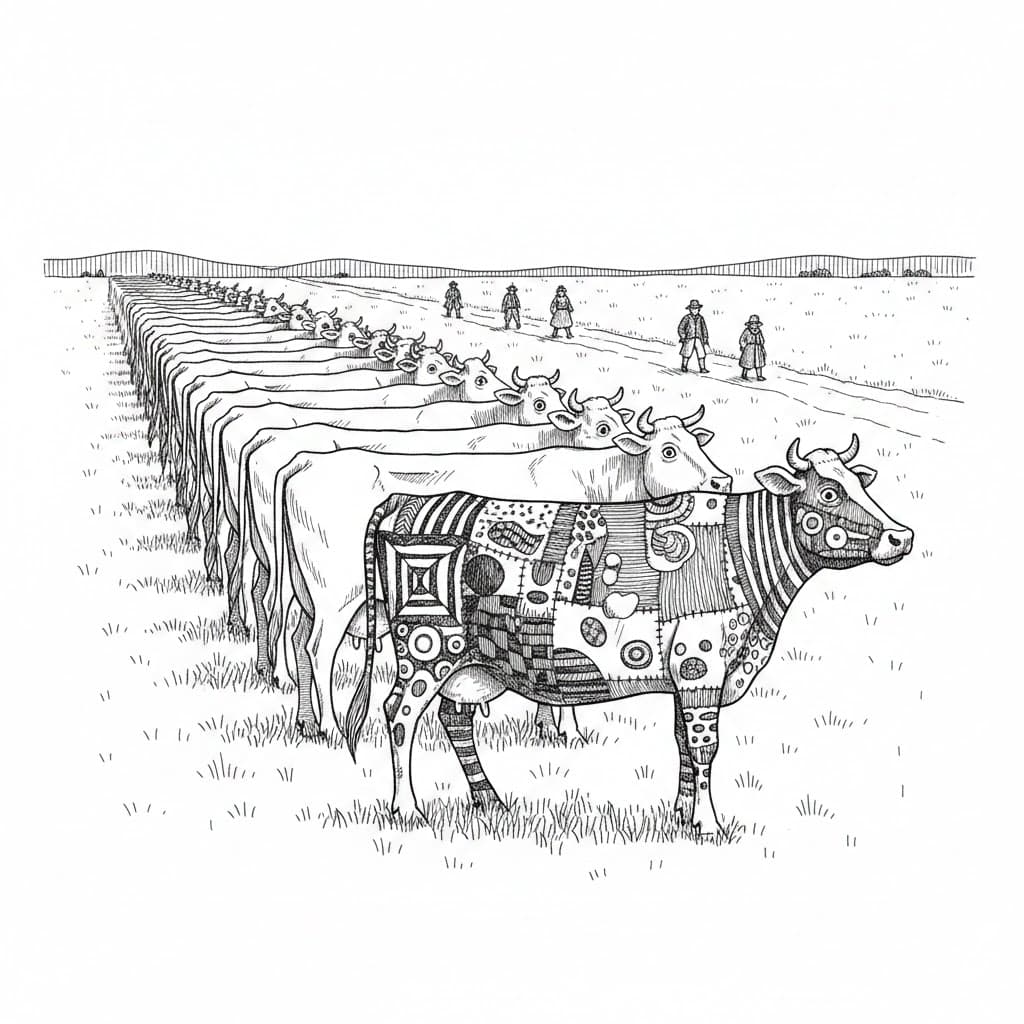
Purple Cow
by Seth Godin
Be remarkable or be invisible
In a world of noise, being "very good" is the same as being invisible. The only marketing that works is being worth talking about. Design the product to be remarkable — then marketing takes care of itself.
Find my remarkable edge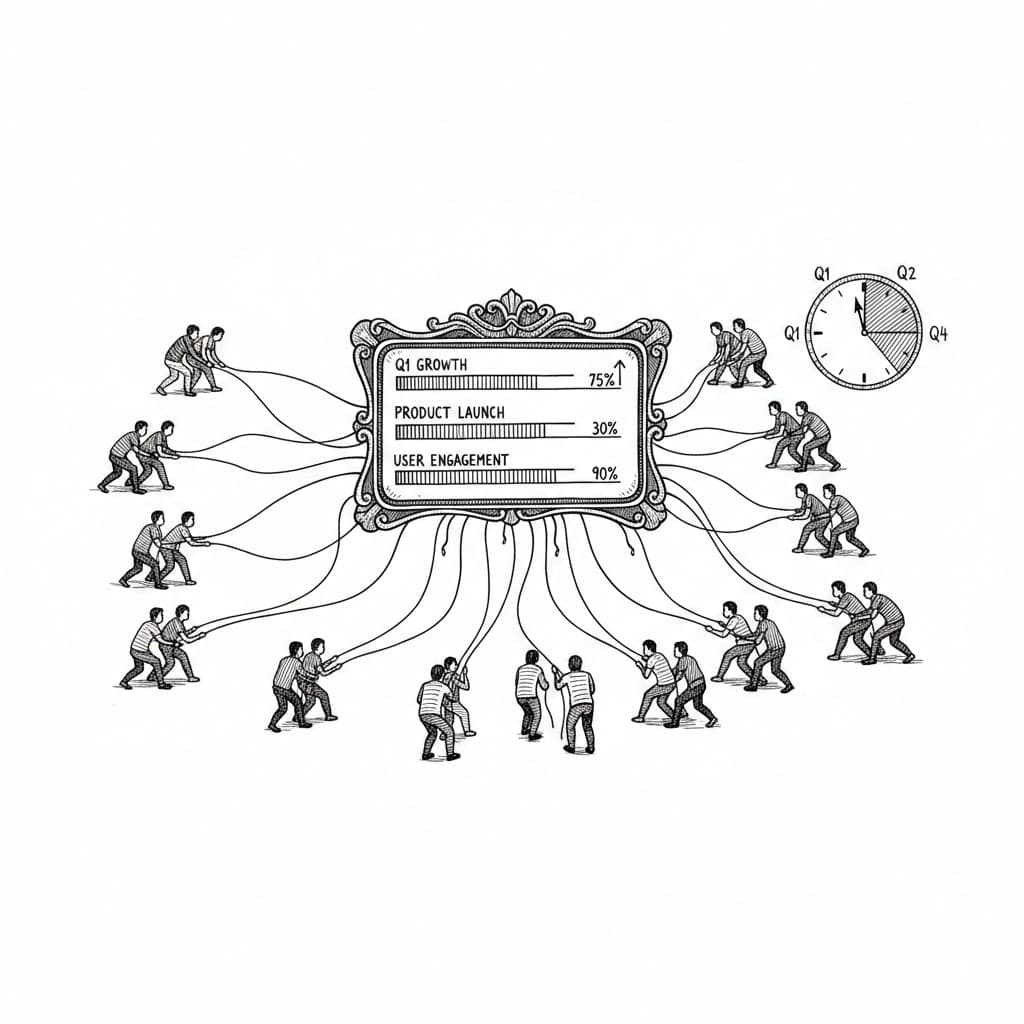
Measure What Matters
by John Doerr
OKRs: Objectives and Key Results
Set ambitious objectives, then define 3-5 measurable key results for each. Make them public. Score them quarterly. The system creates focus, alignment, and accountability — from Intel to Google to your startup.
Define my OKRs